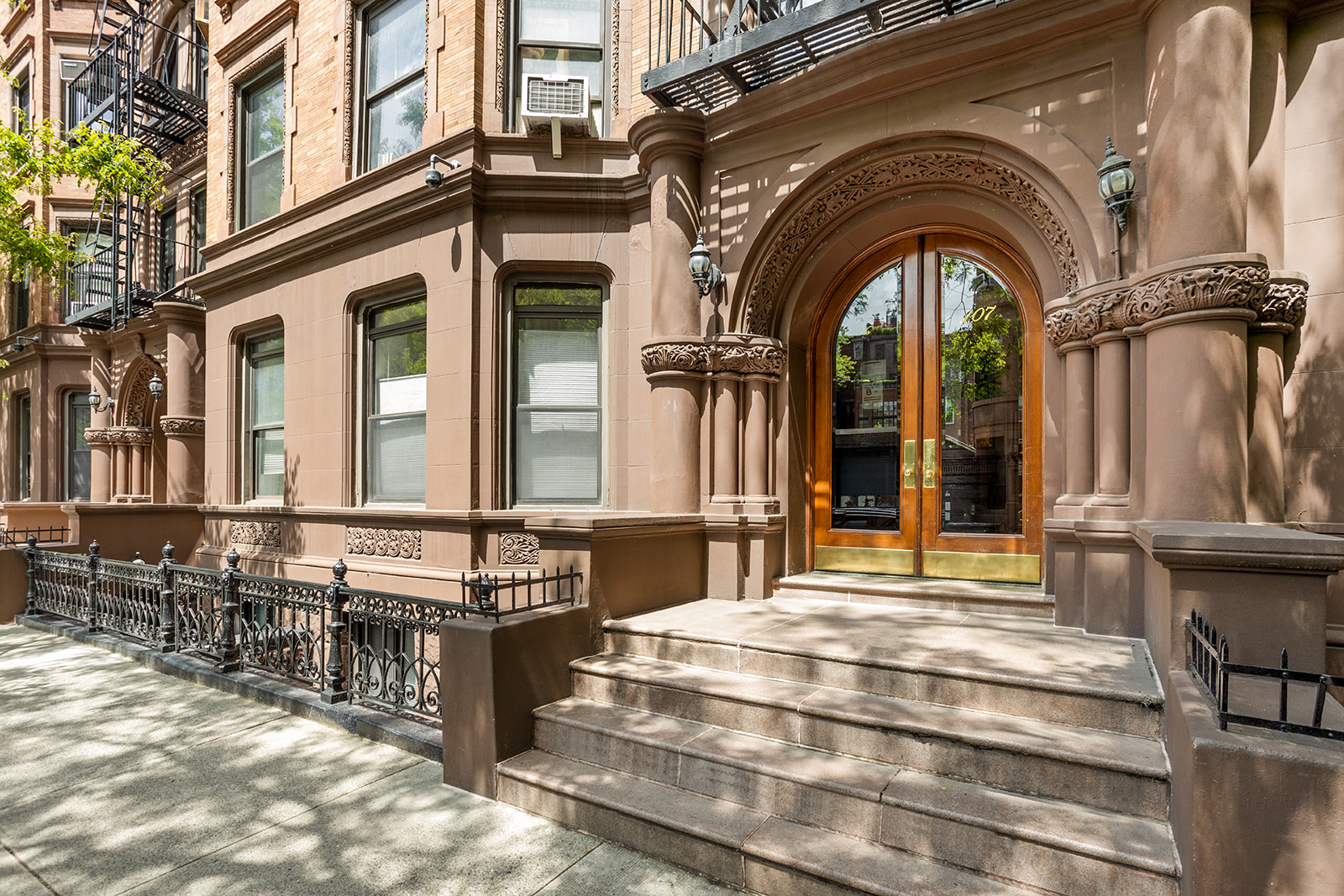
The Upper West Side is one of Manhattan’s most recognizable residential
neighborhoods. Known for its classic pre-war architecture and vibrant cultural institutions, the area attracts buyers seeking both historic charm and modern convenience. However, selling a co-op on the Upper West Side requires a specific approach. Unlike condominiums, cooperative apartments involve board approval processes and building-specific financial requirements that influence pricing strategy and buyer selection. Because of this structure, many sellers benefit from working with an Upper West Side co-op specialist who understands these nuances.
Understanding Upper West Side Co-Ops:
Many buildings on the Upper West Side are traditional co-ops.
In these buildings, buyers purchase shares in a cooperative corporation rather than owning real estate directly.
This structure gives co-op boards significant authority over the approval of new residents.
Board Approval Standards:
Co-op boards commonly evaluate:
- post-closing liquidity
- debt-to-income ratios
- employment stability
- financial documentation
These standards vary by building and may influence which buyers can
realistically purchase a property.
Liquidity Requirements:
Many Upper West Side co-op boards require buyers to maintain a certain level of liquidity after closing. This means that even buyers with strong incomes may not qualify if their assets are not structured appropriately.
A Manhattan co-op expert understands how these requirements affect the buyer pool.
Pricing Dynamics:
Pricing an Upper West Side co-op requires analyzing comparable sales within
the same building whenever possible. Factors influencing value include:
- floor level
- renovation condition
- maintenance costs
- building reputation
Two apartments of similar size can perform very differently depending on these variables.
Buyer Qualification:
One of the most important responsibilities when selling a co-op is identifying
buyers who are likely to pass board approval. Careful screening before accepting an offer can reduce the risk of complications
For additional neighborhood insights, see:
Upper East Side real estate
Central Park West real estate
Frequently Asked Questions:
Are most Upper West Side apartments co-ops?
Yes, many of the neighborhood’s historic buildings operate as cooperative
housing.
Do co-op boards reject buyers?
Rejections are uncommon when buyers are properly qualified.
Why hire a co-op specialist?
Because cooperative buildings have unique financial requirements that influence buyer eligibility.
Selling a co-op on the Upper West Side requires a detailed understanding of
board approval standards, pricing strategy, and buyer qualification.
Working with an Upper West Side real estate agent who specializes in
cooperative buildings can help ensure a smoother transaction.
Leave a Reply