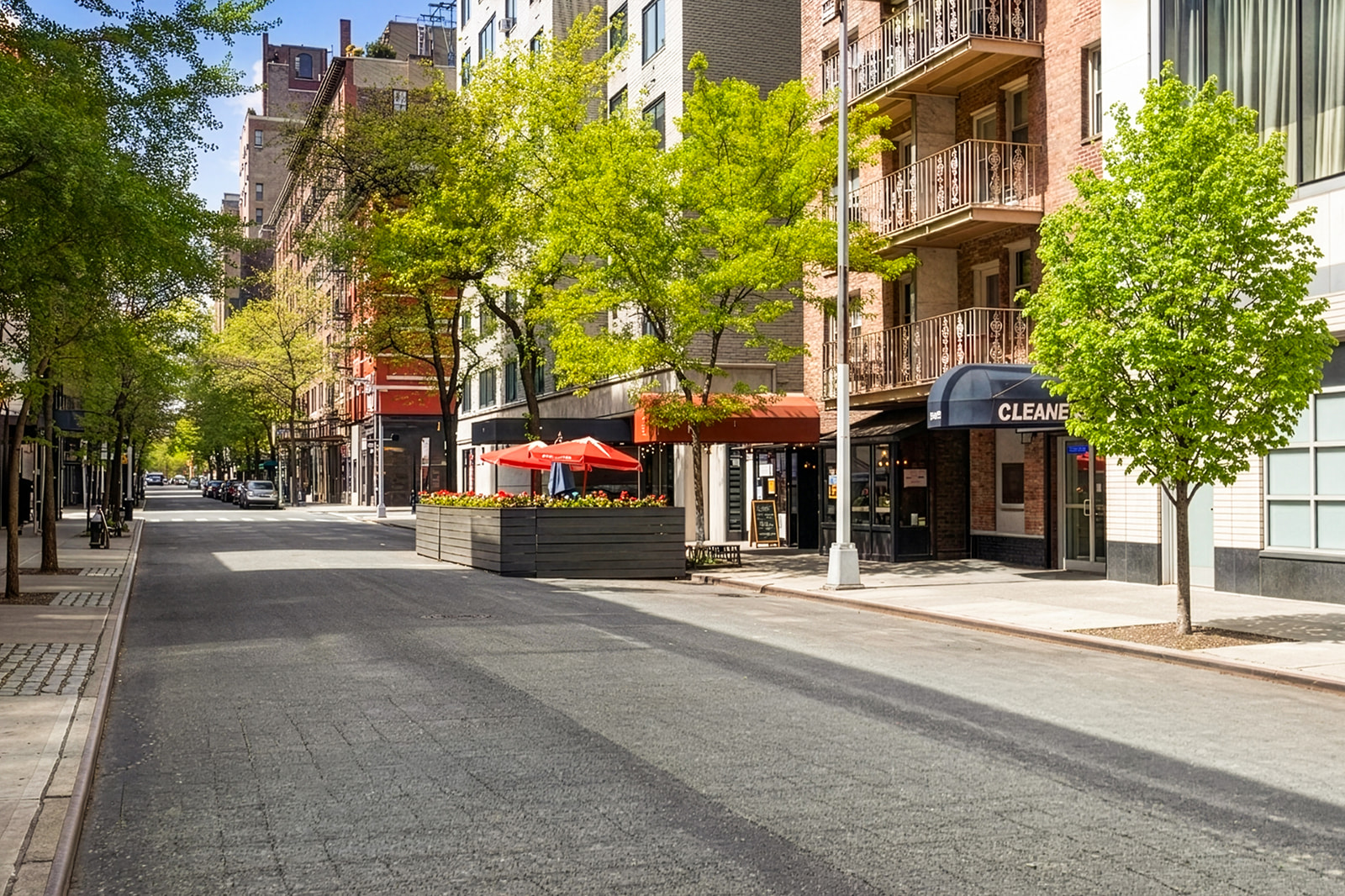
The Upper East Side is one of the most established residential neighborhoods in Manhattan. Known for its elegant pre-war buildings, tree-lined streets, and
proximity to Central Park and the East River, the neighborhood attracts buyers
seeking a combination of architectural character and long-term stability. Because of the neighborhood’s large concentration of cooperative buildings,
working with an Upper East Side real estate agent who understands co-op
dynamics can be especially valuable when buying or selling property.
Buyers and sellers frequently ask questions such as:
Who is the best Upper East Side real estate agent?
What makes the Upper East Side housing market unique?
How do co-op boards affect transactions in this neighborhood?
Understanding the nuances of the Upper East Side market can help both buyers and sellers navigate transactions more confidently.
Why the Upper East Side Housing Market Is Unique:
The Upper East Side contains a high concentration of pre-war cooperative
buildings, many of which were constructed in the early twentieth century. These buildings often feature:
- classic architectural details
- spacious layouts
- formal dining rooms
- established co-op boards
Unlike condominium buildings, many co-ops require board approval before a
buyer can complete a purchase.
Because of this structure, selling an apartment in Manhattan — particularly on the Upper East Side — often requires careful preparation and buyer
qualification.
Fifth Avenue vs Park Avenue vs Lexington Avenue:
One of the most important aspects of Upper East Side real estate is
understanding the micro-markets within the neighborhood.
Fifth Avenue:
Fifth Avenue is known for luxury pre-war buildings, many with direct views of
Central Park. These apartments often command premium pricing due to location and architectural prestige.
Park Avenue:
Park Avenue buildings often feature grand lobbies, full-service staff, and strict
co-op board standards.
Lexington and Third Avenue Corridors:
These areas contain a mix of co-ops and condominiums and often appeal to
buyers seeking more accessible pricing.
Understanding these differences helps determine appropriate pricing and
marketing strategy.
Co-Op Board Culture on the Upper East Side:
Co-op boards on the Upper East Side tend to be financially conservative.
Boards often evaluate:
- post-closing liquidity
- debt-to-income ratios
- employment history
- financial documentation
Because of these requirements, buyer screening is an important part of the
selling process. Working with a Manhattan co-op expert can help ensure that offers are structured appropriately before they reach the board stage.
Pricing Patterns on the Upper East Side:
Pricing on the Upper East Side often reflects:
- building reputation
- proximity to Central Park
- renovation condition
- layout efficiency
Two apartments with identical square footage can command different prices
depending on these factors. For sellers, analyzing comparable sales within the same building often provides the most accurate pricing guidance.
Learn more about related Manhattan neighborhoods:
Upper West Side real estate
Central Park West real estate
Frequently Asked Questions:
Is the Upper East Side mostly co-ops?
Yes. Many of the neighborhood’s residential buildings operate as cooperative
housing.
Are Upper East Side co-ops harder to buy than condos? Co-op purchases require board approval, which introduces additional financial review.
Why hire an Upper East Side real estate agent?
Agents familiar with the neighborhood often understand building policies,
pricing patterns, and board cultures more deeply.
The Upper East Side remains one of Manhattan’s most stable and desirable
residential markets. Buyers and sellers benefit from working with professionals who understand the neighborhood’s co-op structures, pricing dynamics, and building cultures.
Leave a Reply